Home / Services / Open vs Closed Cell
Residential & Commercial
Open Cell vs Closed Cell Spray Foam
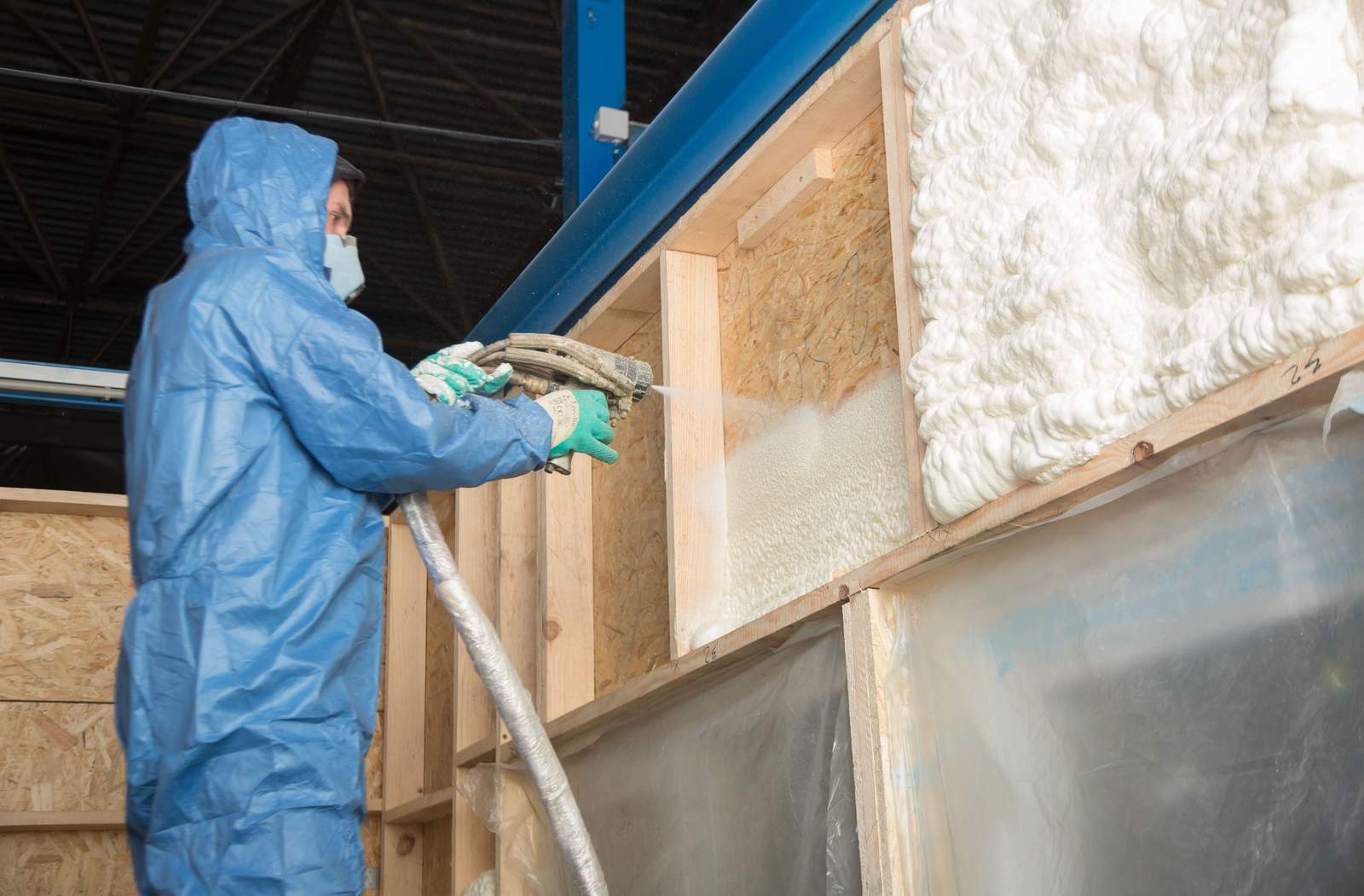
Every spray foam project starts with one question: open cell or closed cell? Both are spray polyurethane foam, both air seal as they insulate, and they solve different problems. Here is how we choose on Toronto jobs.
Open Cell: Coverage, Sound and Value
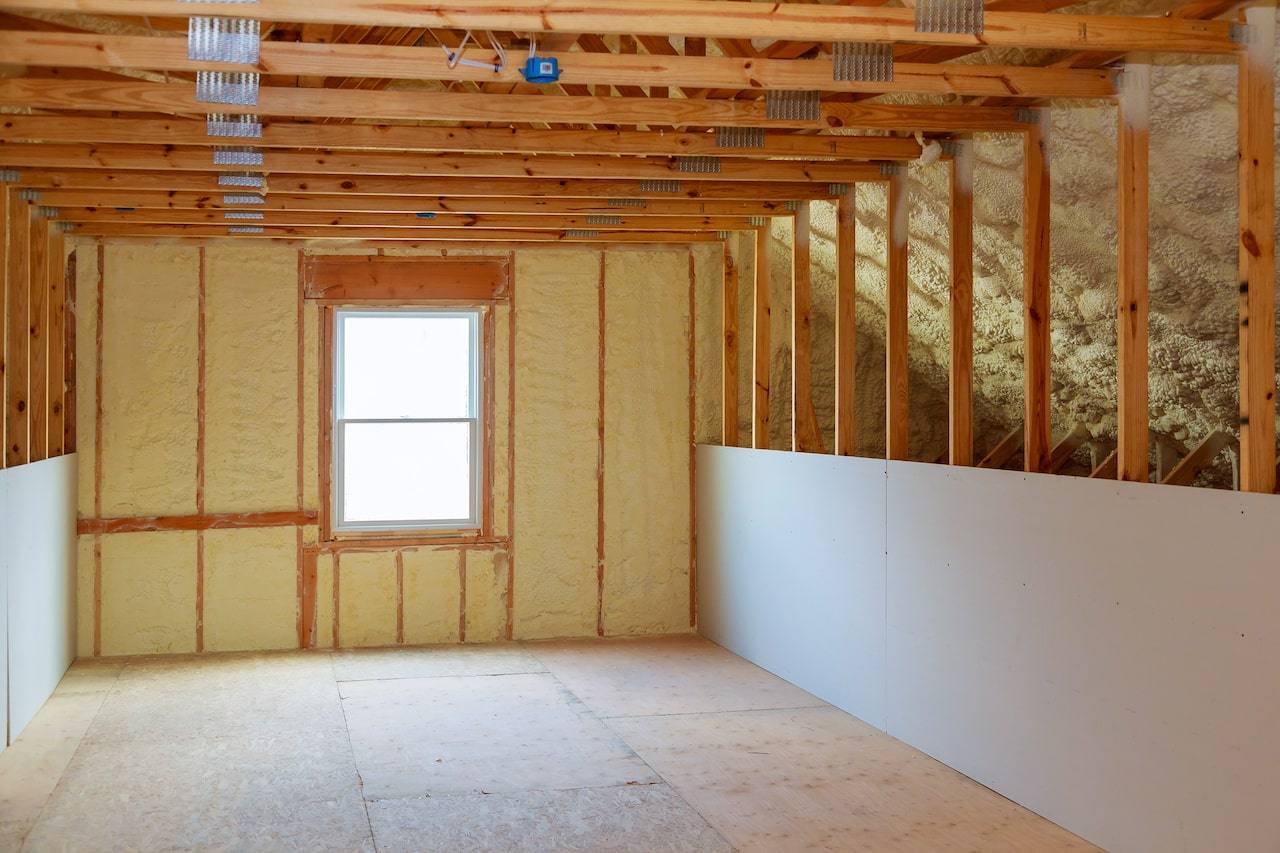
Open cell foam expands roughly a hundred times its liquid volume, filling framing bays completely at a lower cost per board foot. It is vapour-open, which lets roof assemblies breathe, and its softness makes it the best sound-deadening insulation we install. The usual choice for attics and interior walls.
Closed Cell: Moisture, Strength and R-Value
Closed cell foam cures dense and rigid, resists water, and reaches roughly R-6 per inch, the highest of any common insulation. It adds measurable stiffness to the surfaces it bonds to, which is why rim joists, basements, garages and metal buildings get closed cell.
Most Projects Use Both
A typical Toronto house gets closed cell at the rim joists and basement walls and open cell in the attic and partitions. We assess, recommend honestly, and put it in writing: request a free estimate or call (647) 692-4276.
The Difference That Actually Matters
Open cell is soft and low density; it expands a long way from a small amount of material, fills a cavity completely and air seals as it goes. Closed cell is rigid and dense; it delivers roughly double the R-value per inch, adds structural stiffness to what it is sprayed onto, and acts as a vapour retarder once it reaches thickness. Those are not two grades of the same product — they are two materials that solve different problems.
Where Each One Belongs
Open cell suits interior partitions, standard-depth exterior walls and most attic roof lines, where there is room to fill and the assembly handles vapour elsewhere. Closed cell earns its place where depth is short, where the assembly needs vapour control from the foam itself, against masonry, in crawl spaces and on steel. In a Toronto winter the vapour question comes up far more often than the R-value headline does.
Why Price Per Board Foot Misleads
Open cell looks dramatically cheaper per board foot, and it is. But a board foot is one inch over one square foot, and the two materials need different thicknesses to do the same job. Comparing them on unit price without the thickness each assembly requires is comparing nothing at all. The useful comparison is the installed cost of a specified assembly.
What Nobody Should Tell You
That one is simply better. A contractor who always specifies the same product regardless of the building is describing their own inventory rather than your assembly. Ask what the foam is doing in the wall or roof — insulating only, or insulating and controlling vapour — and the answer will tell you whether the recommendation was thought about.
Questions
Common questions
What decides the price of spray foam?
Foam type, installed depth, the area covered and prep work. Every estimate itemizes all four.
Is the estimate really free?
Yes. Free, written and itemized before any work begins.
Open-cell or closed-cell, which costs more?
Closed-cell costs more per board foot and delivers a higher R-value per inch plus a moisture barrier; open-cell covers more area per dollar.
Want to know what your project would cost?
Tell us about the property and we'll help you determine the next step.
Free written estimates • No obligation • Local team